
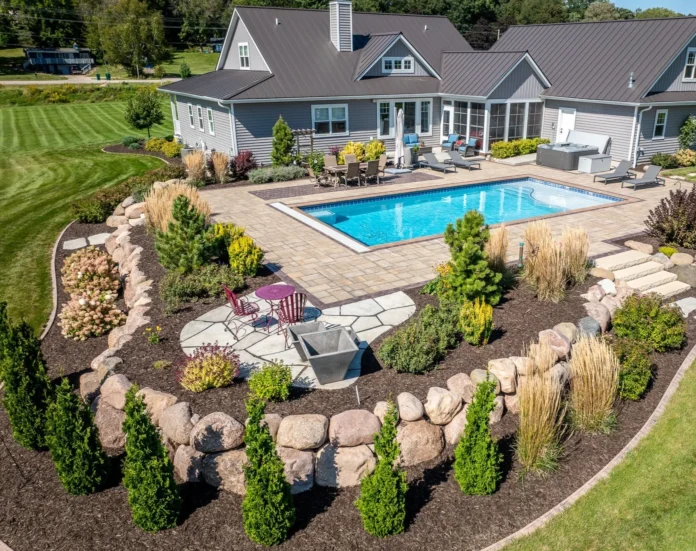


A well-designed landscape makes outdoor spaces more attractive while improving how you use and maintain your property. Thoughtful planting arrangements, defined garden beds, healthy lawns, and effective drainage work together to create an organized outdoor environment.
Homeowners exploring landscaping in Appleton, WI should consider the local climate, soil conditions, sunlight exposure, and seasonal maintenance requirements before choosing plants or designing outdoor features.
Wisconsin’s changing seasons make landscape planning particularly important. Plants must tolerate local winter conditions while also handling summer heat, rainfall, and changing soil moisture.
Start With a Practical Landscape Plan
Every successful landscaping project begins with an understanding of the property’s existing conditions.
Before selecting plants or installing new features, evaluate:
- Available sunlight throughout the day.
- Existing soil quality and drainage.
- Property slopes and low-lying areas.
- Available outdoor space.
- Existing trees and established plants.
- How the space will be used by household members.
For example, an area receiving full afternoon sunlight requires different plant selections than a shaded section beneath mature trees.
Mapping these conditions helps prevent unnecessary replacements and maintenance problems.
Choosing Plants for Appleton’s Climate
Plant selection should reflect local growing conditions and expected winter temperatures. Appleton is in USDA Hardiness Zone 5b, which has an average annual extreme minimum temperature range of -15°F to -10°F.
Wisconsin-friendly landscape planning often includes a combination of native perennials, suitable shrubs, ornamental grasses, and trees.
Native Perennials
Native plants are adapted to regional environmental conditions and often provide valuable habitat for pollinators.
Depending on site conditions, options include coneflowers, black-eyed Susans, and native prairie grasses.
Shrubs
Shrubs create structure, define garden boundaries, and provide visual interest throughout different seasons.
Select varieties according to mature size, sunlight requirements, and soil preferences.
Shade Trees
Trees provide shade, contribute to outdoor comfort, and improve the visual character of residential properties.
Consider mature canopy size and root growth when choosing planting locations. Avoid placing large trees too close to foundations, underground utilities, or other structures. When planting, position the tree so the root flare remains visible at or slightly above the finished soil level rather than burying it.
Designing Garden Beds That Stay Organized
Garden beds should complement the property’s architecture and remain practical to maintain.
Grouping plants according to similar sunlight and watering requirements simplifies maintenance. Taller plants generally work well toward the back of borders, while shorter varieties create definition near pathways.
Mulch provides several benefits:
- Helps retain soil moisture.
- Reduces weed growth.
- Moderates soil temperature.
- Improves the appearance of planting beds.
- Reduces soil erosion caused by rainfall.
Apply mulch at an appropriate depth of about 2–3 inches and keep it away from direct contact with tree trunks and plant stems.
Why Landscape Drainage Deserves Attention
Poor drainage affects both plant health and property conditions.
Water collecting near foundations can contribute to moisture problems, while saturated planting beds can damage roots and encourage certain plant diseases.
A functional landscape should direct surface water toward appropriate drainage areas.
Useful improvements include:
Proper grading: Maintaining suitable slopes helps move water away from buildings.
Rain gardens: Properly designed rain gardens capture and absorb runoff in suitable locations.
Drainage channels: Appropriate drainage systems help manage water movement where natural grading is insufficient.
Soil improvement: Adding suitable organic matter can improve soil structure in areas with poor growing conditions.
Downspout discharge: Direct downspouts to discharge water at least 4 feet away from foundation walls where site conditions allow.
Drainage improvements should be designed around the property’s actual water movement rather than simply relocating the problem.
Seasonal Landscaping Maintenance
Each season brings different outdoor maintenance responsibilities.
Spring: Remove accumulated debris, inspect planting beds, prepare lawns, and evaluate winter damage.
Summer: Monitor irrigation, remove weeds, prune suitable plants, and check for pest activity.
Fall: Remove diseased plant material, protect sensitive plants, and prepare trees and shrubs for winter.
Winter: Protect vulnerable landscape features from heavy snow accumulation and avoid damaging plants during snow removal.
Consistent maintenance helps preserve the original landscape design.
Improve Your Outdoor Space With Thoughtful Planning
Landscaping is an ongoing investment in property appearance, usability, and environmental quality. Appropriate plant selection, organized garden beds, and effective drainage create a more sustainable outdoor space.
If you are planning a landscaping project in Appleton, WI, begin with a property assessment and identify your priorities. A design based on local growing conditions helps create an attractive landscape that remains manageable throughout the year.