
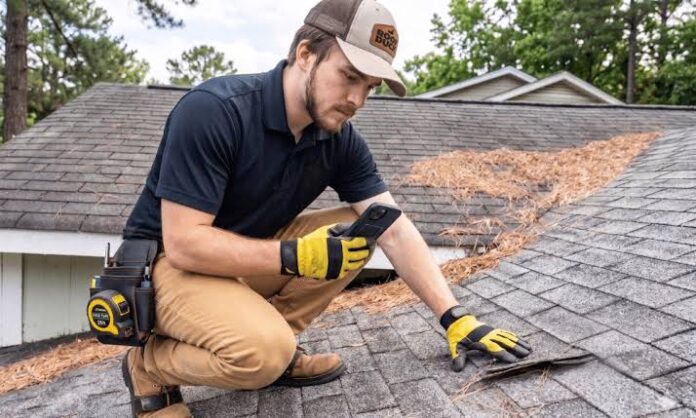


Your roof protects your home from rain, wind, sunlight, and changing seasonal conditions. Over time, however, roofing materials deteriorate, protective components weaken, and recurring repairs become less effective. Homeowners in Elizabethtown, PA, should understand when a roof has reached the point where replacement offers a more practical solution than continued patchwork repairs.
A roofing replacement is a significant property improvement that requires careful planning. Before starting the project, evaluate the existing roof’s condition, understand available material options, and consider the ventilation and drainage requirements of your home. Professional roof replacement in Elizabethtown, PA, helps address widespread roofing deterioration while providing an opportunity to improve the protection and long-term performance of your property.
Signs Your Elizabethtown Home Needs a Roof Replacement
Recognizing roofing deterioration early helps homeowners avoid unexpected interior damage and repeated repair expenses.
1. Widespread Shingle Damage
Asphalt shingles gradually lose their protective granules and flexibility. You might notice curling edges, cracked surfaces, missing shingles, or excessive granules accumulating in gutters.
When deterioration affects large portions of the roof, individual shingle replacements might no longer provide a dependable solution.
2. Recurring Roof Leaks
An occasional leak does not automatically mean the entire roof needs replacement. However, repeated water intrusion in different locations can indicate widespread material deterioration or failing installation components.
Look for ceiling discoloration, peeling paint, damp attic insulation, and moisture around roof penetrations.
3. Sagging Roof Sections
A visibly sagging roofline deserves immediate professional evaluation. This condition can indicate structural problems, prolonged moisture exposure, or deteriorating roof decking.
Do not assume that replacing shingles alone will correct structural damage. The underlying roof structure must be inspected before determining the appropriate solution.
4. Aging Roofing Materials
Roofing materials have different expected service lives depending on product quality, installation, ventilation, maintenance, and environmental exposure. Asphalt shingles generally last about 20–30 years, while architectural asphalt shingles can last about 30–50 years. Metal roofing commonly lasts about 40–70 years, while slate roofing can last about 60–150 years.
If your roof is approaching the end of its expected lifespan and showing multiple warning signs, arranging a professional assessment is a sensible step.
Choosing the Right Roofing Material for Your Replacement
Material selection affects durability, appearance, maintenance, and project cost. Your home’s structure, roof slope, and budget should guide the decision.
Asphalt Shingles
Asphalt shingles remain a popular residential roofing option because they offer different colors, styles, and price ranges. Architectural shingles provide a dimensional appearance and are available in products designed for improved wind resistance.
They are suitable for many residential applications, provided the selected product meets the roof’s structural and installation requirements.
Metal Roofing
Metal roofing offers durability and efficient rainwater shedding when installed correctly. Available profiles include standing seam panels and other metal panel systems.
However, homeowners should evaluate material compatibility, fastening methods, underlayment, and ventilation before selecting this option.
Other Roofing Materials
Some properties are suitable for slate, synthetic roofing, or other specialized products. These materials have different structural requirements and installation considerations.
A roofing professional can assess whether the existing structure supports the proposed system.
What Happens During a Professional Roof Replacement?
Understanding the installation process helps you prepare your property and evaluate the quality of the completed work.
Step 1: Existing Roof Inspection
The project begins with an assessment of shingles, flashing, gutters, roof decking, ventilation, and visible structural components.
Step 2: Removal of Existing Materials
The old roofing system is removed as required. This allows the installer to examine the underlying deck for moisture damage, deterioration, and compromised sections.
Step 3: Decking and Underlayment Preparation
Damaged decking is repaired or replaced. Appropriate underlayment and protective materials are then installed according to the roofing system’s requirements. In Pennsylvania’s winter climate, an ice and water shield can provide an additional layer of protection at vulnerable areas such as eaves and valleys.
Step 4: New Roofing Installation
The selected roofing material is installed with attention to fastening patterns, alignment, flashing, valleys, and roof penetrations.
Step 5: Final Inspection and Cleanup
The completed roof should be inspected for installation defects. The property should also be cleared of construction debris and loose roofing materials.
Preparing Your Property for Replacement
Before installation begins, move vehicles away from the work area and remove fragile items from walls or shelves in rooms beneath the roof.
Protect outdoor furniture, inform household members about construction activity, and keep pets away from the work zone.
Discuss project scheduling, material delivery, weather-related delays, and cleanup expectations before work starts.
Why Proper Roof Ventilation Matters
Roof replacement provides an opportunity to evaluate attic ventilation. A balanced ventilation system allows air to move through designated intake and exhaust openings.
Poor ventilation can contribute to excessive attic heat, moisture accumulation, and premature deterioration of roofing materials. In winter, excess heat and moisture in the attic can also contribute to ice dams, which may allow water to back up beneath roofing materials and cause leaks. Insulation levels and ventilation openings should be evaluated together rather than treated as unrelated components.
Verify Your Pennsylvania Roofing Contractor
Before hiring a roofing contractor, homeowners can verify whether the contractor is registered under Pennsylvania’s Home Improvement Consumer Protection Act (HICPA). Pennsylvania requires home improvement contractors who meet the applicable registration threshold to register with the Office of Attorney General, and the contractor’s Pennsylvania registration number must appear on advertisements, contracts, estimates, and proposals. Homeowners can verify a contractor’s registration through the Pennsylvania Office of Attorney General before work begins.
Conclusion
A successful roof replacement begins with understanding the existing roof’s condition and selecting materials suited to your property. From damaged shingles and recurring leaks to deteriorating decking, addressing roofing problems properly protects your home’s structure and interior. If your Elizabethtown property shows signs of widespread roof deterioration, arrange a professional assessment and plan a replacement project that supports long-term protection.