
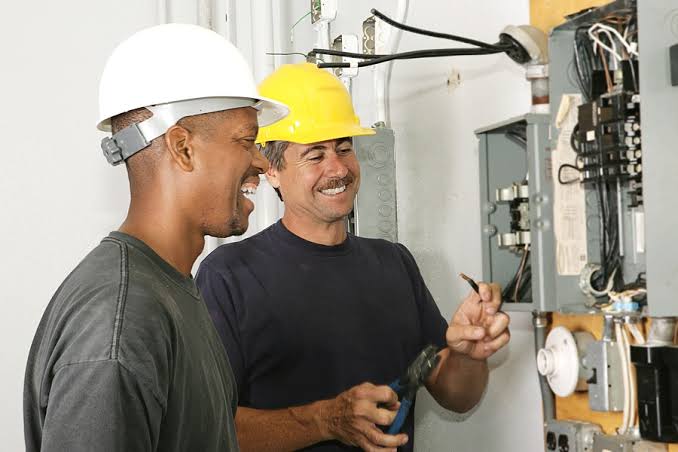


Commercial properties depend on electrical systems to support daily operations, employee productivity, customer comfort, and equipment performance. Offices, retail stores, warehouses, restaurants, and industrial facilities all have different electrical requirements. When electrical infrastructure is improperly installed or poorly maintained, even a minor problem can interrupt important business activities.
Hiring qualified commercial electricians in Riverside, CA helps businesses maintain reliable electrical infrastructure while addressing safety requirements and changing operational demands. From installing dedicated circuits to upgrading lighting and evaluating electrical panels, professional electrical work supports the long-term functionality of commercial buildings.
Electrical Planning for Different Commercial Properties
Every business uses electricity differently. An office might require extensive computer connections, communication equipment, and efficient lighting. A restaurant depends on commercial kitchen appliances, refrigeration, ventilation, and specialized electrical connections.
Warehouses frequently require high-bay lighting, equipment connections, and distribution systems designed for larger spaces.
Before starting electrical work, business owners should identify:
- Current electrical loads and equipment requirements.
- Available electrical panel capacity.
- Locations requiring dedicated circuits.
- Lighting and emergency power needs.
- Future expansion plans.
- Applicable building and electrical code requirements.
A professional assessment helps prevent unsuitable installations and unnecessary modifications. A formal load calculation can compare the building’s existing and proposed electrical demand with available service and panel capacity, helping determine whether additional circuits or service upgrades are necessary.
For businesses that depend on continuous operation, planning should also address standby or emergency power. Backup generators, battery systems, or other emergency power sources can help maintain critical lighting, communications, refrigeration, security systems, and essential equipment during power interruptions.
Commercial Electrical Panel and Circuit Upgrades
Commercial electrical panels distribute power to different areas and equipment throughout a building. As businesses expand, existing electrical infrastructure might not provide sufficient capacity for additional machinery, office equipment, or HVAC systems.
An electrician can evaluate the existing distribution system and determine whether additional circuits, panel replacements, or service upgrades are appropriate.
Dedicated circuits are especially important for equipment with specific electrical requirements. Separating high-demand loads helps reduce the risk of circuit overloads and improves electrical organization.
During an upgrade, technicians should also inspect grounding, bonding, protective devices, labeling, and electrical connections.
Energy-Efficient Lighting for Business Facilities
Lighting accounts for a significant portion of electricity consumption in many commercial properties. Outdated fixtures can increase operating costs while providing inconsistent illumination.
LED upgrades offer several practical advantages:
Reduced energy consumption: LED fixtures generally require less electricity than comparable traditional lighting. For example, ENERGY STAR notes that a 60-watt incandescent bulb produces about 800 lumens, while a certified LED can provide the same light output using about 75% less energy.
Longer operating life: Extended service life reduces the frequency of lamp replacements.
Improved illumination: Appropriate fixture selection provides more consistent lighting for workspaces, display areas, and storage facilities. Light output is measured in lumens, so businesses can compare fixtures based on the amount of light delivered rather than wattage alone.
Flexible controls: Occupancy sensors, daylight sensors, and programmable controls help reduce unnecessary lighting operation.
California commercial lighting projects must also account for the applicable California Energy Code requirements. The current 2025 Energy Code, effective January 1, 2026, includes nonresidential lighting requirements covering lighting power allowances and controls, so businesses should evaluate LED upgrades against the applicable Title 24, Part 6 requirements.
Businesses should also consider emergency lighting and exit signs. These systems require appropriate placement, testing, and maintenance to support safe building evacuation.
Electrical Installations for Commercial Equipment
New machinery, refrigeration systems, pumps, ventilation equipment, and specialized appliances often require electrical modifications before operation.
A qualified electrician evaluates voltage requirements, circuit capacity, disconnect arrangements, wiring methods, and equipment specifications before installation.
For three-phase equipment, proper phase configuration and electrical connections are particularly important. Incorrect wiring can cause equipment malfunction and potentially damage motors or other components.
Three-phase power is common in commercial facilities because it can efficiently supply larger motors, HVAC equipment, pumps, compressors, and other high-demand loads. The available three-phase service and its capacity should therefore be considered when determining whether a building can support planned commercial equipment.
Businesses planning equipment additions should involve an electrician early in the project. This allows electrical infrastructure to be coordinated with equipment placement, construction schedules, and operational requirements.
Preventive Electrical Maintenance for Commercial Buildings
Unexpected electrical failures can disrupt operations, damage equipment, and create safety risks. Preventive maintenance helps identify developing problems before they result in costly interruptions.
A commercial electrical maintenance plan should consider:
- Inspecting electrical panels and distribution equipment.
- Checking visible wiring and connections.
- Evaluating circuit breaker condition.
- Testing applicable GFCI and AFCI protection.
- Inspecting emergency lighting and exit signs.
- Checking equipment disconnects and electrical enclosures.
- Reviewing circuit labeling and documentation.
Thermal imaging inspections can also help identify abnormal temperature patterns associated with loose connections or overloaded components. These inspections should be performed by qualified personnel using appropriate equipment.
Electrical Safety and Code Compliance
Commercial electrical work must follow applicable electrical codes, building requirements, and safety regulations. Requirements depend on the property’s use, equipment, and project scope.
Arc flash is another important commercial electrical hazard that should be addressed during safety planning. A proper arc-flash assessment helps identify employee exposure and determine appropriate protective measures, including arc-rated personal protective equipment and procedures for work on or near energized electrical equipment.
Businesses should verify that their electrical contractor has the appropriate qualifications, insurance, and experience. Permits and inspections must be arranged when required.
Employees should also receive basic electrical safety instructions. Damaged cords, exposed wiring, overloaded outlets, and blocked electrical panels should be reported promptly.
Support Your Business With Reliable Electrical Infrastructure
Commercial electrical systems require careful planning, professional installation, and ongoing attention. Investing in appropriate upgrades helps businesses improve lighting, support additional equipment, and reduce the likelihood of unexpected electrical interruptions.
When evaluating commercial electricians in Riverside, CA, consider technical experience, project planning, safety practices, and the ability to support your property’s electrical requirements. Arrange a professional assessment before expanding your facility or replacing major equipment.