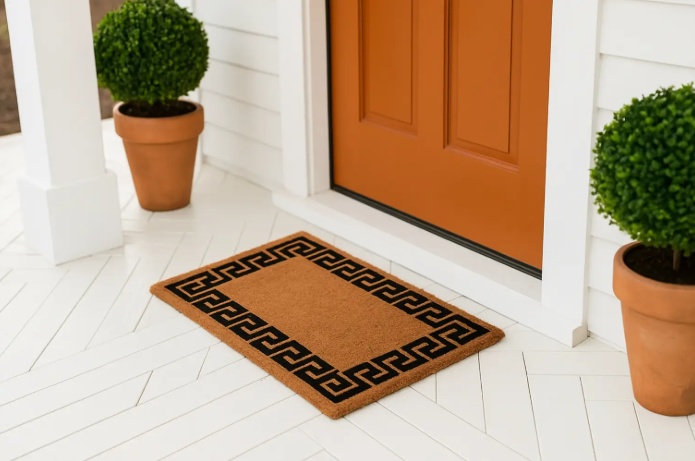

Introduction: The Small Detail That Makes a Big Difference
When people think about improving their home’s appearance, they often focus on furniture, paint colors, or landscaping. However, one of the simplest and most effective upgrades is often overlooked—the humble outdoor door mat. It may seem like a minor addition, but it plays a surprisingly powerful role in both functionality and design.
Every time someone enters your home, they bring along dust, dirt, moisture, and sometimes even bacteria. Without a proper barrier at the entrance, all of that ends up on your floors. Over time, this not only creates extra cleaning work but can also damage flooring materials. A well-chosen mat acts as your home’s first defense line, capturing debris before it crosses the threshold.
Beyond practicality, there’s also an aesthetic aspect to consider. Your entryway is the first thing guests see, and a thoughtfully selected mat can instantly make it feel more inviting. Whether you prefer a modern look, a rustic vibe, or something playful, there’s a mat style that fits your personality.
In this in-depth guide, we’ll explore everything you need to know about choosing the right mat for your entrance. From materials and sizing to maintenance and seasonal adjustments, you’ll gain a complete understanding of how to make the most of this small yet essential home accessory.
Understanding the True Purpose of a Door Mat

At first glance, a mat may appear to serve a single purpose—wiping shoes. But in reality, it performs multiple functions that contribute to a cleaner and safer living environment. A high-quality outdoor door mat does far more than just sit at your doorstep.
One of its primary roles is dirt control. Shoes carry a surprising amount of debris, especially in outdoor environments. A properly textured surface helps scrape off mud and dust effectively. This prevents the spread of dirt throughout your home and reduces the need for constant cleaning.
Another important function is moisture absorption. During rainy seasons or in humid climates, wet shoes can make floors slippery and hazardous. A good mat absorbs or traps moisture, reducing the risk of accidents and keeping your entryway dry.
There’s also a psychological aspect. A clean and well-maintained entrance creates a sense of order and comfort. It signals that the home is cared for and welcoming. This subtle detail can leave a lasting impression on visitors.
Lastly, mats help protect your flooring investment. Dirt particles can act like sandpaper, gradually wearing down surfaces such as wood, tile, or laminate. By stopping debris at the door, you extend the life of your floors and maintain their appearance for years.
Exploring Different Materials and Their Benefits
Choosing the right material is one of the most important decisions when selecting a mat. Each material offers unique advantages, and the best choice depends on your environment and usage patterns. A carefully selected outdoor door mat material ensures both durability and performance.
Natural Coir: A Traditional Favorite
Coir mats, made from coconut husk fibers, are among the most popular options. Their rough texture makes them excellent for scraping dirt off shoes. They are also biodegradable, making them an eco-friendly choice.
However, coir mats are best suited for dry climates or covered entrances. Excessive moisture can cause them to wear out more quickly. Despite this limitation, their natural appearance and effectiveness make them a timeless option.
Rubber Mats: Built for Tough Conditions
Rubber mats are known for their durability and weather resistance. They can withstand heavy rain, mud, and even extreme temperatures without losing their shape or effectiveness.
These mats often feature drainage holes or textured surfaces that help remove dirt efficiently. They are ideal for areas with unpredictable weather conditions and high foot traffic.
Synthetic Fiber Mats: Versatile and Practical
Synthetic materials like polypropylene and nylon offer a balance between durability and ease of maintenance. They are resistant to moisture, fading, and wear, making them suitable for various environments.
These mats are also available in a wide range of designs and colors, allowing homeowners to match them with their décor. Their versatility makes them a popular choice for modern homes.
Fabric Mats: Soft Yet Functional
Fabric mats provide a softer feel and excellent moisture absorption. They are often used in covered outdoor spaces or semi-indoor areas where comfort is a priority.
While they may not be as durable as rubber or synthetic options, they add a touch of elegance and warmth to the entrance.
Choosing the Right Size for Maximum Efficiency
Size plays a crucial role in how effective your mat will be. A mat that is too small won’t provide enough coverage, while one that is too large may look awkward or be difficult to manage. Selecting the correct size ensures that your outdoor door mat performs its function effectively.
A good rule of thumb is to choose a mat that covers at least 80% of the door’s width. This allows enough space for both feet to make contact with the surface. Larger mats are particularly useful for homes with frequent visitors or families with children.
Recommended Size Guide
| Door Type | Suggested Mat Size | Benefits |
|---|---|---|
| Single Door | 18 x 30 inches | Standard coverage for most homes |
| Double Door | 24 x 36 inches or larger | Better coverage for wider entrances |
| Large Entryway | 30 x 48 inches | Ideal for high-traffic areas |
In addition to width, consider the thickness of the mat. It should fit comfortably under the door without obstructing movement. A well-fitted mat enhances both functionality and appearance.
Design and Style: Making a Lasting Impression
While functionality is important, design should not be overlooked. The right mat can enhance your home’s exterior and reflect your personal style. A thoughtfully chosen outdoor door mat can act as a subtle yet impactful design element.
Modern homes often benefit from minimalist designs with clean lines and neutral colors. These mats blend seamlessly with contemporary architecture and create a polished look.
For traditional homes, classic patterns and warm tones work well. They add a sense of familiarity and comfort to the entrance. Personalized mats, featuring names or messages, can also add a unique touch.
Seasonal designs are another option. Switching mats according to festivals or seasons can keep your entryway fresh and engaging. This simple change can make your home feel more dynamic and welcoming.
Placement Strategies for Better Performance
Even the best mat won’t deliver results if it’s not placed correctly. Proper positioning ensures that it captures maximum dirt and moisture before it enters your home.
The most effective placement is directly outside the door, where people naturally step before entering. This ensures that shoes come into contact with the mat at the right moment.
Layering is another useful strategy. Using one mat outside and another inside creates a two-step cleaning process. The outer mat removes heavy debris, while the inner mat absorbs finer particles and moisture.
It’s also important to ensure that the mat lies flat and stable. Uneven placement can reduce effectiveness and create a tripping hazard. A secure mat improves both safety and usability.
Maintenance Tips for Long-Lasting Use

Regular maintenance is essential to keep your mat functioning properly. Over time, dirt and debris can accumulate, reducing its effectiveness. Taking care of your outdoor door mat ensures that it remains both clean and durable.
Shaking the mat regularly helps remove loose dirt. This simple step prevents buildup and keeps the surface effective. For deeper cleaning, many mats can be rinsed with water or washed with mild soap.
Drying is equally important. A damp mat can develop mold or unpleasant odors. Always allow it to dry completely before placing it back.
Seasonal maintenance can also make a difference. During rainy months, more frequent cleaning may be required. In dry seasons, occasional dusting may be sufficient.
Seasonal Considerations and Adaptations
Different seasons bring different challenges, and your mat should be able to handle them. Adapting your choice and maintenance routine ensures consistent performance throughout the year.
During the monsoon season, water-resistant mats are essential. They prevent moisture from entering your home and dry quickly. In winter, mats that can handle mud and slush are more effective.
Summer brings intense sunlight, which can cause fading. UV-resistant mats maintain their color and structure despite prolonged exposure.
By considering seasonal changes, you can extend the life of your mat and maintain its effectiveness year-round.
Common Mistakes to Avoid When Choosing a Mat
Many homeowners make simple mistakes that reduce the effectiveness of their mats. Being aware of these can help you make a better choice.
Choosing the wrong material for your climate is one of the most common errors. Not all mats are designed for all conditions, so it’s important to match the material to your environment.
Ignoring size is another issue. A small mat may look neat, but it won’t perform well. Proper coverage is essential for effective dirt removal.
Lack of maintenance can also reduce performance. Even the best mat needs regular care to function properly.
Quick Buying Checklist
✔ Choose a durable material suitable for your climate
✔ Ensure the size covers most of your doorway
✔ Look for non-slip backing for safety
✔ Pick a design that matches your home exterior
✔ Opt for easy-to-clean options for convenience
FAQs About Outdoor Door Mats
What is the best material for heavy use?
Rubber and synthetic fibers are ideal for heavy foot traffic due to their durability and resistance to wear.
How often should I replace my mat?
Depending on usage, most mats last between one and five years.
Can mats help keep insects out?
While not a primary function, they can reduce the amount of debris that attracts insects.
Is layering mats really effective?
Yes, using two mats improves dirt and moisture control significantly.
Are eco-friendly mats durable?
Many eco-friendly options, like coir, are both durable and sustainable when used in suitable conditions.
Conclusion: A Simple Upgrade with Lasting Impact
A well-chosen outdoor door mat is a small investment that delivers significant benefits. It keeps your home cleaner, safer, and more visually appealing. By selecting the right material, size, and design, you can enhance both functionality and style.
Regular maintenance ensures long-term performance, while thoughtful placement maximizes effectiveness. Whether you prioritize durability, aesthetics, or sustainability, there’s a perfect mat for every home.
Take the time to evaluate your needs and make an informed choice. With the right mat in place, your entrance will not only look better but also function more efficiently every single day.

