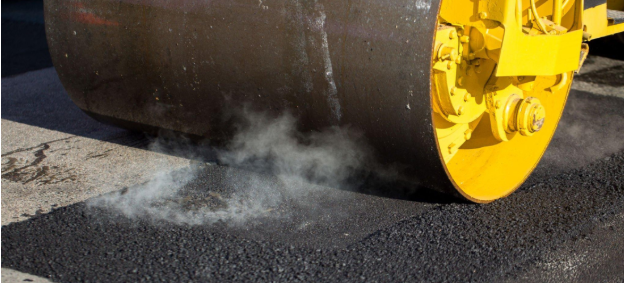

Maintaining smooth and safe roads, driveways, and parking areas is essential for any property. Over time, surfaces are exposed to weather, traffic, and natural wear and tear, which can lead to cracks and potholes. One effective way to prevent this damage and extend the life of your pavement is through microsurfacing. This article explains how microsurfacing works and why it is an important solution for property owners.
What is Microsurfacing?
Microsurfacing is a specialized pavement treatment that involves applying a thin layer of mixture made from asphalt emulsion, fine aggregate, and mineral fillers onto existing pavement surfaces. This layer acts as a protective coating that seals the surface and provides a smooth driving experience. Unlike traditional resurfacing methods, microsurfacing is quicker, more cost-effective, and can be applied to a variety of surfaces without extensive preparation.
How Microsurfacing Prevents Cracks
Cracks in pavement often start small but can grow over time due to water infiltration, temperature changes, and vehicle pressure. Microsurfacing works by filling these small cracks and sealing the surface, which prevents water and debris from entering. This sealing effect reduces the risk of cracks spreading and keeps the pavement stable. By addressing minor damage early, microsurfacing protects your property from more extensive and expensive repairs in the future.
Reducing Potholes with Microsurfacing
Potholes form when cracks allow water to reach the base layers of pavement, weakening the structure. As vehicles pass over these weakened areas, the surface breaks apart, creating potholes. By applying microsurfacing, property owners can create a strong, protective layer that prevents water from reaching the base. This significantly reduces the formation of potholes and keeps your roads and driveways safe for vehicles and pedestrians.
Cost-Effective Maintenance Solution
One of the key benefits of microsurfacing is its cost-effectiveness. Traditional resurfacing or full pavement replacement can be expensive and time-consuming. Microsurfacing provides a long-lasting solution at a fraction of the cost. It extends the life of your pavement by several years, reducing the need for frequent repairs. This makes it an ideal choice for homeowners, commercial properties, and municipalities looking to maintain their surfaces without overspending.
Quick Application and Minimal Disruption
Microsurfacing is not only effective but also convenient. The process can be completed quickly, often in a single day, depending on the area size. Because it requires minimal preparation and curing time, traffic can resume soon after the application. This makes microsurfacing a practical option for busy properties or public roads where disruption must be minimized.
Long-Term Benefits for Your Property
Investing in microsurfacing offers long-term benefits beyond crack and pothole prevention. A properly maintained pavement enhances the overall appearance of your property, increases safety for drivers and pedestrians, and can even improve property value. Additionally, microsurfacing improves skid resistance, which adds another layer of safety, especially in wet or icy conditions.
Conclusion
Microsurfacing is a smart and effective way to protect your property’s pavement from cracks and potholes. By sealing the surface, filling minor cracks, and preventing water infiltration, microsurfacing extends the life of your roads, driveways, and parking areas. It offers a cost-effective, quick, and long-lasting solution that ensures your property remains safe and visually appealing. For property owners looking to maintain their surfaces efficiently, microsurfacing is a reliable choice that prevents damage before it becomes a serious problem.

