
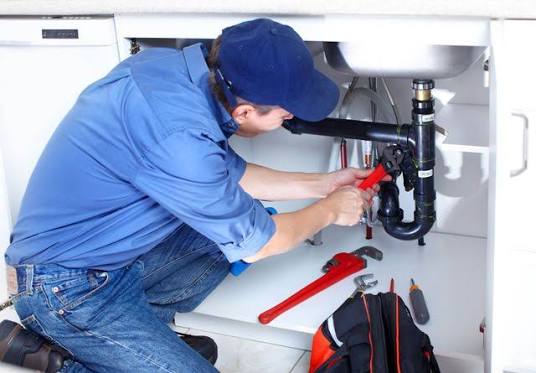


A plumbing emergency can occur without warning, leaving homeowners facing burst pipes, overflowing toilets or unexpected water damage. Knowing how to respond can help protect your property and reduce the risk of further complications. Taking a few immediate steps and contacting a qualified plumber when necessary can make a difficult situation easier to manage.
1. Identify the Plumbing Problem Quickly
The first step is to determine what is happening and whether it presents an immediate risk. Common plumbing emergencies include burst pipes, severe leaks, overflowing toilets, sewage backups and leaking water heaters.
Look for signs such as water pooling around fixtures, damp patches on walls, unusual pipe noises or a sudden drop in water pressure. If several drains stop working simultaneously, the issue may involve a larger drainage blockage.
Avoid investigating areas where standing water could come into contact with electrical equipment. Your safety should always come before identifying the exact cause of the problem.
2. Turn Off the Water Supply
Stopping the water flow can help limit damage while you arrange professional assistance. If the leak comes from a tap, toilet or appliance, use its isolation valve if you can reach it safely. For a burst pipe or a major leak, turn off the main water supply.
Knowing where your main shut-off valve is located can save valuable time during an emergency. It is often found near the point where the water supply enters the property, although its location varies between homes.
When dealing with 24-hour emergency plumbing in Cedar Rapids, IA, shutting off the water supply is an important first step while waiting for professional help. If water has reached electrical outlets, wiring or appliances, stay away from the affected area and seek appropriate emergency assistance.
Once the water is under control, move furniture and belongings away from the leak if it is safe. Do not attempt repairs that require specialist tools or plumbing knowledge.
3. Contact an Emergency Plumber
Some plumbing issues cannot wait for a routine appointment. A burst pipe, uncontrolled leak or sewage backup can cause extensive damage if left unresolved.
When contacting a plumber, describe the problem clearly. Explain where the leak or blockage is located, whether the water supply has been turned off and whether wastewater is entering the property. These details help the professional assess the urgency of the situation.
Before arranging a call-out, confirm that the plumber provides emergency assistance outside normal working hours. Ask about the estimated arrival time, inspection process and potential charges so you know what to expect.
Avoid relying on improvised repairs for serious problems. Incorrectly fitted connectors, unsuitable sealants or excessive force on damaged fittings may make the situation worse.
4. Reduce the Risk of Further Property Damage
While waiting for professional assistance, take reasonable precautions to protect your home. Your actions should depend on the type and severity of the plumbing problem.
For minor leaks in safe, accessible areas, place a bucket beneath dripping water and use towels to absorb small spills. Keep children and pets away from affected areas, especially where wastewater is present.
If you are dealing with 24-hour emergency plumbing in Cedar Rapids, IA, documenting the damage can also be useful. Take photographs of affected floors, walls, ceilings and belongings when it is safe to do so. These records may support an insurance claim, depending on your policy.
Do not use chemical drain cleaners to address a serious blockage, particularly when water is already backing up. Avoid mixing cleaning products, and leave complex drainage problems to a qualified professional.
5. Recognise When Immediate Help Is Essential
Some plumbing issues pose greater risks than others. A dripping tap may not require an emergency visit, but a rapidly spreading leak or sewage overflowing into living areas needs prompt attention.
A leaking water heater should also be assessed, particularly if the tank appears damaged or water is spreading around the unit. Follow the manufacturer’s safety guidance and avoid touching hot, damaged or electrically connected equipment.
If you smell gas near a gas-powered water heater, leave the property immediately. Do not operate electrical switches or use open flames. Contact the appropriate gas emergency service from a safe location.
Recognising these warning signs helps you respond appropriately and avoid unnecessary risks while arranging repairs.
Frequently Asked Questions
1. What should I do first during a plumbing emergency?
If it is safe, stop the water supply, keep away from electrical hazards and contact a qualified plumber. Avoid entering areas affected by sewage or unsafe standing water.
2. Should I attempt to repair a burst pipe myself?
You can turn off the water supply if it is safe, but major pipe damage should be assessed by a qualified plumber. Improvised repairs may not withstand water pressure and could worsen the leak.
3. When should I call an emergency plumber?
Contact an emergency plumber for uncontrolled leaks, burst pipes, serious sewage backups and other problems that threaten property or personal safety. Minor issues may be suitable for a routine appointment.
4. How can I prepare for future plumbing emergencies?
Locate your main water shut-off valve, keep a plumber’s contact details accessible and inspect visible pipes for corrosion, moisture or damage. Addressing small problems early may help prevent more serious failures.
Conclusion
Plumbing emergencies can be stressful, but a clear response can help reduce damage and protect your household. Identify the problem, turn off the water when safe, avoid electrical and sewage hazards, and seek professional assistance when the situation requires it.
Regular inspections and basic preparation can also make unexpected plumbing problems easier to manage. Knowing where your shut-off valve is located and understanding when to call for urgent help can make a meaningful difference during an emergency.