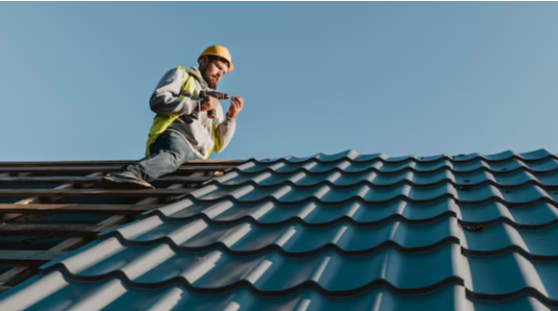

Your home’s roof is continuously exposed to harsh environmental elements, including scorching sun, heavy rainfall, freezing temperatures, and high winds.
Because it serves as your property’s primary shield against weather degradation, ensuring its long-term health is vital for protecting your family and financial investment.
While every roofing material eventually reaches the end of its natural lifecycle, adopting proactive care and maintenance habits can significantly delay major replacements. Below are six essential strategies to enhance durability and extend the longevity of your residential roof.
1. Protecting Your Investment Through Expert Residential Roofing Techniques
Understanding the unique structural requirements of sloped or flat home designs is the foundation of effective long-term roof preservation.
Implementing professional residential roofing practices ensures that every component—from underlayment layers and flashing details to shingle overlap—is optimized to withstand local weather patterns.
Proper installation techniques and meticulous craftsmanship prevent premature wear, eliminate structural vulnerabilities, and lay the groundwork for decades of reliable home protection.
2. Scheduling Routine Maintenance With Certified Roofing Services
Waiting for a major leak to appear before taking action is a costly mistake that shortens the lifespan of your entire roofing system. Partnering with professionals who offer comprehensive roofing services allows your property to receive scheduled annual inspections and proactive tune-ups.
Expert technicians can identify microscopic cracks, loose flashing seals, and missing granules early, resolving minor maintenance issues before they escalate into expensive structural damage.
3. Maintaining Clear and Functional Gutters and Drainage Systems
Your roof’s drainage system plays a critical role in preventing standing water, ice damming, and severe fascia rot. When gutters become clogged with fallen leaves, twigs, and shingle granules, rainwater spills over the edges and pools along your roofline and foundation.
Establishing a regular routine to clean and flush your gutters ensures that rainwater drains smoothly away from your home, protecting your eaves and siding from moisture infiltration.
4. Keeping Overhanging Tree Branches Trimming Back
While large trees provide wonderful shade and aesthetic appeal to your property, overgrown branches pose a constant physical threat to your roof. High winds can cause swaying branches to scrape against shingles, stripping away protective granules and puncturing waterproof membranes.
Furthermore, falling leaves and damp twigs trap moisture on the roof surface. Regularly trimming back tree limbs keeps your roof clear of abrasive hazards and reduces organic debris accumulation.
5. Ensuring Proper Attic Ventilation and Thermal Balance
Inadequate attic ventilation is a silent killer of residential roofs, trapping excessive heat and moisture directly beneath the roof decking. During hot summer months, trapped heat cooks shingles from underneath, causing them to warp and age prematurely.
In winter, trapped moisture leads to condensation, mold growth, and rotting rafters. Ensuring balanced intake and exhaust ventilation regulates attic temperatures, preserves shingle integrity, and prevents costly structural decay.
6. Promptly Addressing Post-Storm Damage and Minor Repairs
Severe weather events can inflict sudden, hidden damage on your roofing materials that worsens rapidly if left unattended. After major windstorms, heavy downpours, or hailstorms, conduct a safe visual inspection from the ground or hire an expert to check for displaced shingles and dented flashing.
Tackling immediate repairs right away prevents wind-driven rain from entering your attic insulation, safeguarding your home’s interior and ensuring your roof reaches its maximum potential lifespan.

